
Reflections from ACT President,
Mark Plotkin
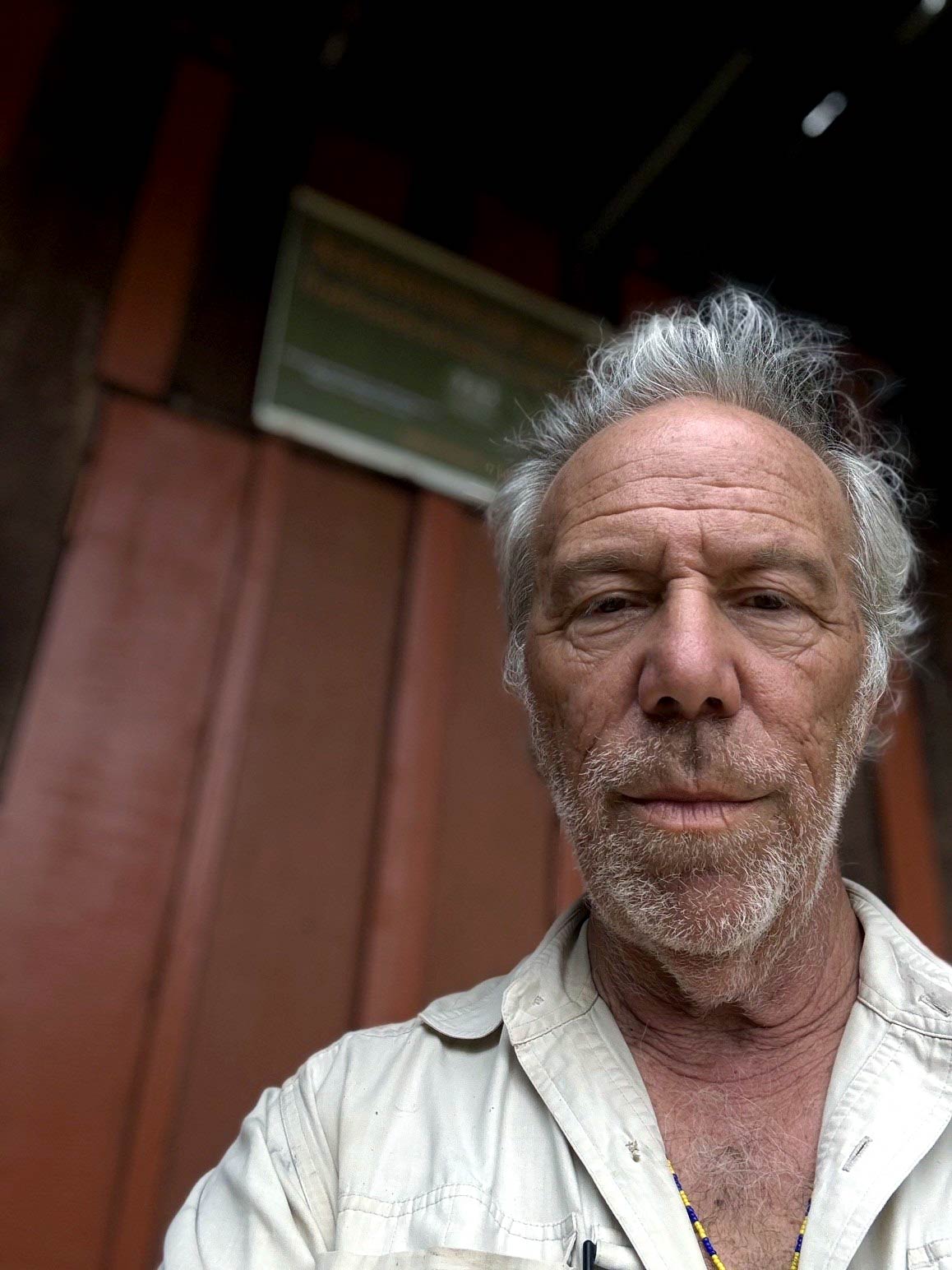
When I first arrived in the village of Kwamalsamutu in southwestern Suriname in December of 1982, the only information recorded in their language present in this settlement was The Bible. It was clear to me that the lack of recorded wisdom about their culture and their forests was negatively impacted their understanding and appreciation of their traditional knowledge.
As an ethnobotanist, I was of course interested in recording their plant wisdom with the promise that the information was primarily for them. This culminated with the publishing of the “Tareno Epi Panpira” – the “Trio Plant Medicine Handbook” a few years ago, in their language for their usage in their clinic. My close colleague and friend Kamainja Panashekung was the senior author of this extraordinary publication.
But my interest in recording their knowledge did not extend only with plants: I soon began working with Kamainja and other colleagues like Koita, Wuta, and Amasina to also collect the names of both the animals and the fungi. In this effort, my friend and colleague (and fellow ethnobotanist) Bruce Hoffman and ACT Guianas Director Minu Parahoe also played a vital role.
When we launched our ethnographic mapping initiative with these same Trios in the year 2000, the goal was not only to teach them how to map their lands, but to also create a template which would help and inspire other rainforest peoples to carry out similar initiatives. Today, I am proud and pleased to report that over 100 different rainforest groups in Brasil, Colombia, Guyana and Suriname have conducted similar projects to create their own maps to seize control of their cultural and environmental destiny with the full support of The Amazon Conservation Team. It is our sincere hope that this Biodiversity Database inspires similar efforts throughout the indigenous world, and beyond.
Dr. Mark Plotkin