
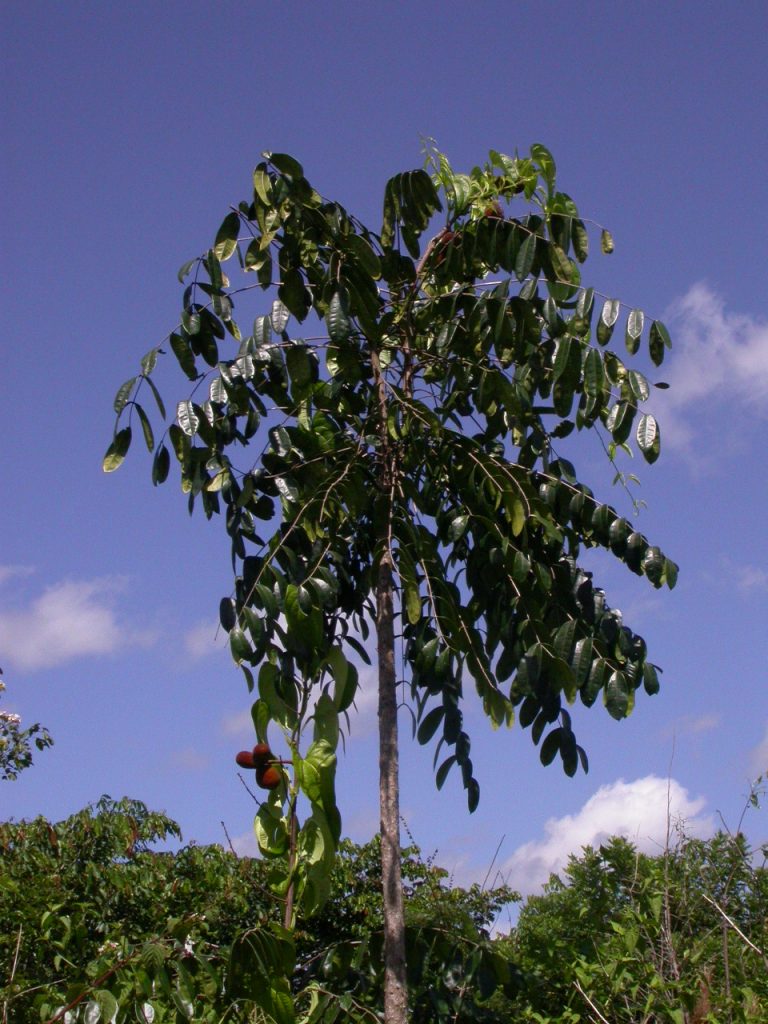
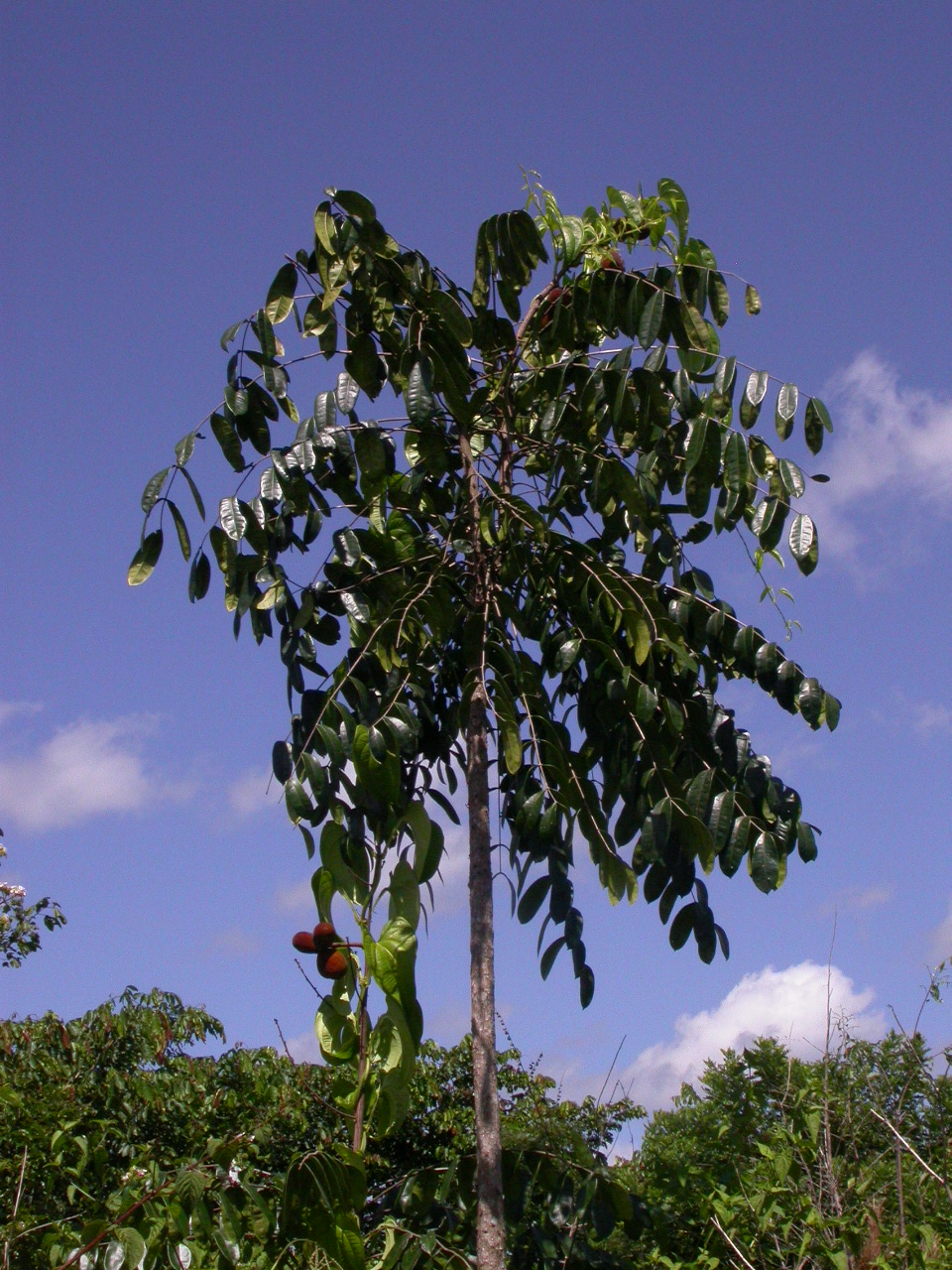
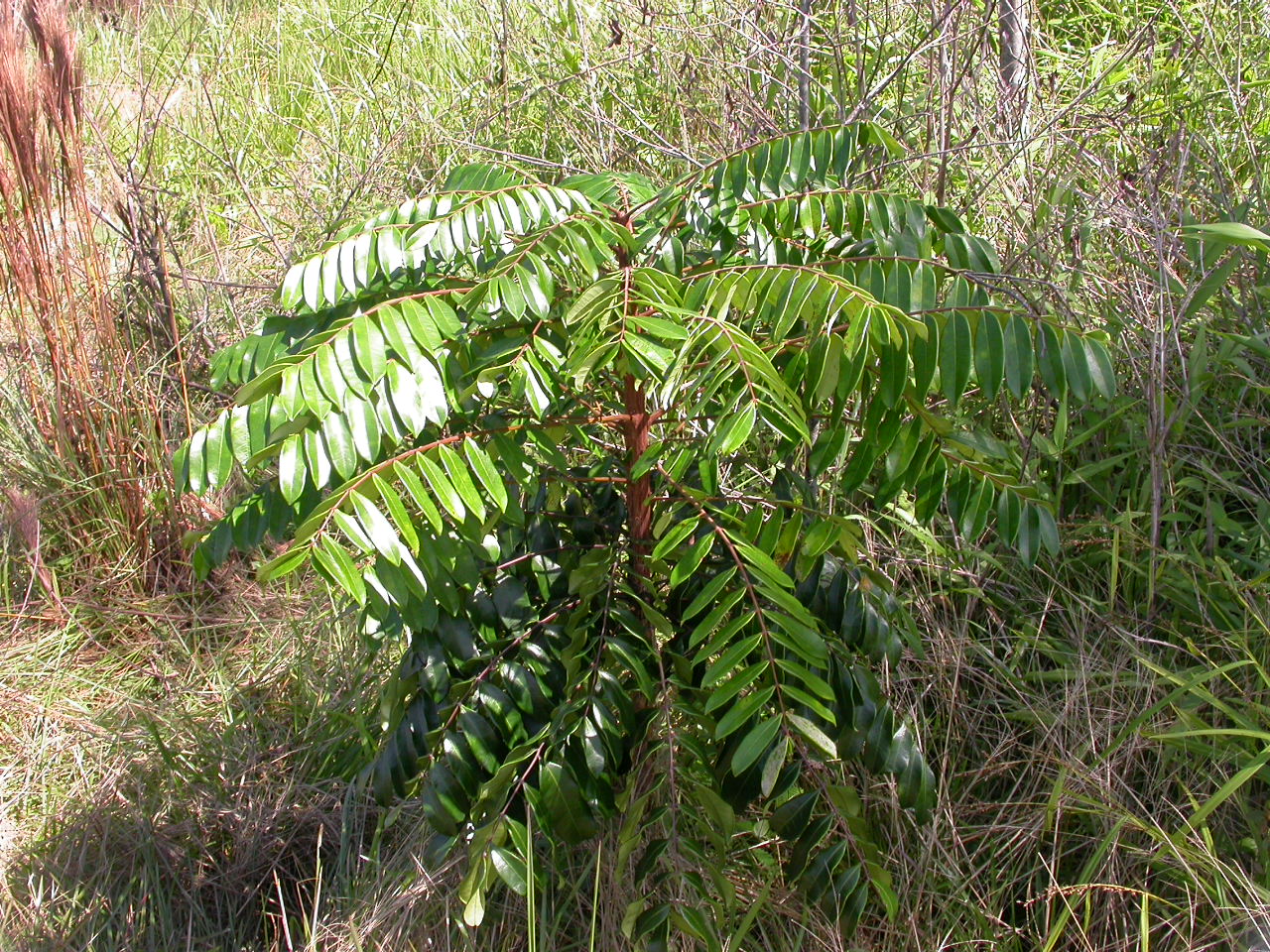

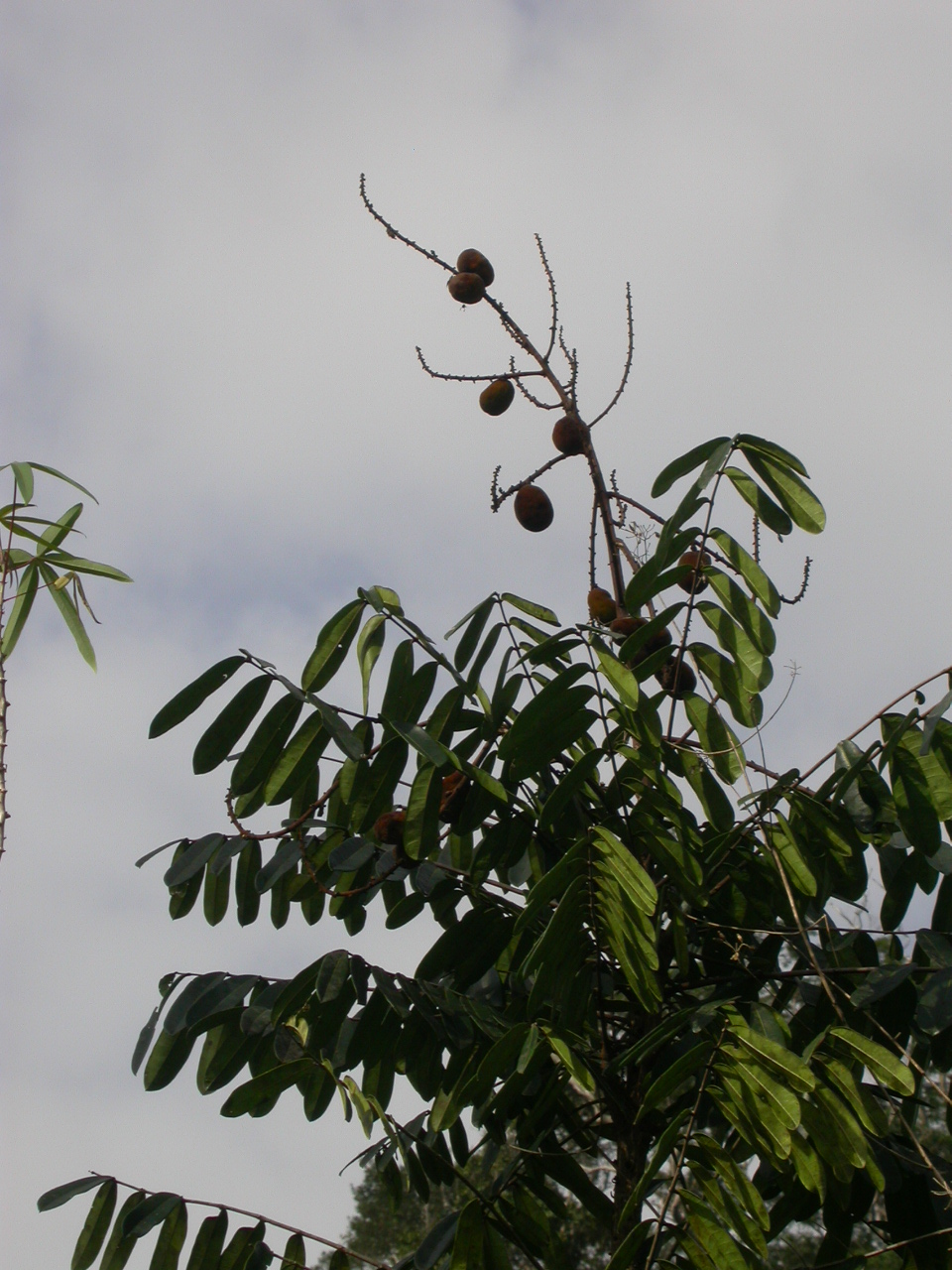
Scientific name: Homalolepis cedron (Syn: Simaba cedron)
Vern: cedron (En, Sp); mankrapa or jankrapa, grootbladige (Du); manga-de-anta (PBr)
Local: kototiki / wan-ede (Sr)
Indig: pai emu (Tr)
Growth Form: Trees & shrubs
Order: Sapindales
Family: Simaroubaceae
MORE PHOTOS: http://www.lachaussetterouge.fr/2016/11/homalolepis-cedron.html
Notes: Renowned throughout Central and South America for its intense bitterness and potent ethnobotanical history, this species has long been a staple in traditional medicine systems across its native range, which spans from Costa Rica through the Amazon basin and the Guiana Shield. Like its famous cousin Quassia amara (Kwasi-bita), Homalolepis cedron contains a dense profile of quassinoids—highly modified triterpenoid compounds responsible for the plant’s intense, sharp bitterness. Modern pharmacological investigations validate its anti-malarial properties, showing that isolated quassinoids (such as cedronin) display potent in vitro activity against malaria parasites (Plasmodium falciparum).
English meanings of common names
- wan-ede = one head
- koto-tiki = “koto” (a traditional, voluminous Surinamese skirt or dress) and “tiki” (stick or branch) – refers to the slender, unbranched or sparsely branched understory growth habit of the juvenile or small tree. This local name is given to at least two unrelated species in Suriname – Homalolepis cedron and Mabea piriri.
- pai emu = tapir’s testicle
- manga-de-anta = tapir’s mango